Buying
Choosing a terrace on the Costa del Sol: sunlight, shade and privacy
Choose a terrace around how you will actually use it. Check the space at your preferred time of day, look beyond orientation and compare privacy from a seated position.
Published · 3 min read
By Costa de Oro · Real-estate agency · Marbella & Costa del Sol
Start with your outdoor routine
A terrace for morning coffee has a different job from a space for working outside or eating with friends in the evening. Decide which activities matter most and during which months you expect to use the home.
Bring a short list to each viewing: your preferred times outdoors, the furniture you need, whether shade matters and how much privacy you expect. It makes comparing properties easier than relying on the view alone.
Treat orientation as a starting point
Ask which direction the terrace faces, then look at what surrounds it. Nearby buildings, deep balconies, roof overhangs, trees and the shape of the development can influence the light that actually reaches the usable space.
Record the time and date of your visit. A bright photograph or a single viewing does not establish conditions throughout the year. If sunlight at a particular time matters, request a second visit or dated photographs taken at the relevant time, and ask what remains uncertain about other seasons.
Check the furniture layout
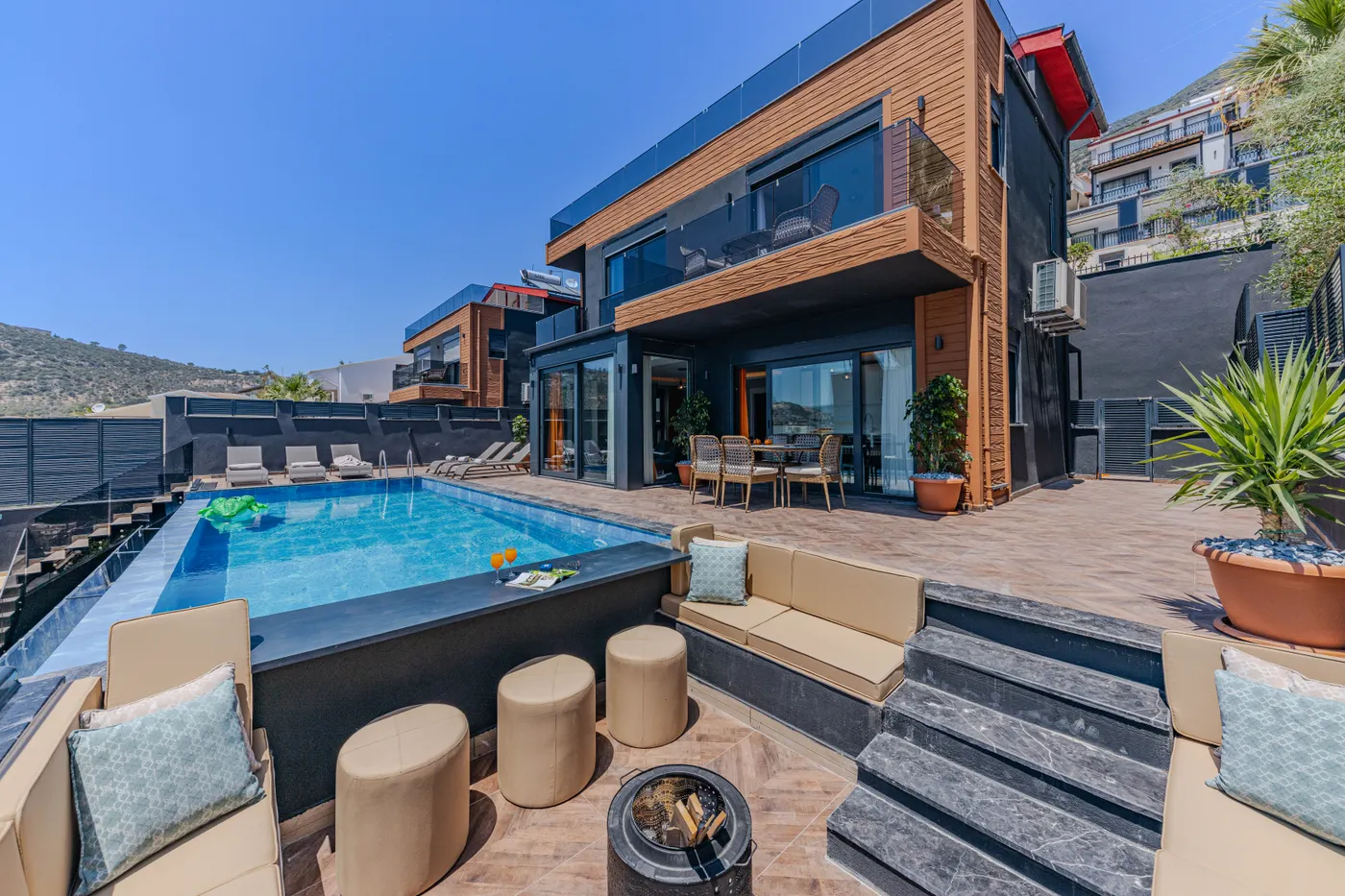
Measure the part of the terrace you would actually use. Mark out the approximate space for a table, chairs and any loungers, remembering the room needed to pull out a chair and walk past it.
Look for awkward corners, columns and door openings. Check whether access still works with furniture in place and whether there is a practical route from the kitchen. A long narrow terrace may serve your needs differently from a smaller square one.
Inspect shade without assuming you can add it
Notice where existing shade falls and whether it covers the place you would sit. Ask what shading equipment is included and see it demonstrated where appropriate.
If your plans rely on installing an awning, screen or other structure, check the relevant requirements and permissions before treating that change as available. Do not assume that another owner's installation establishes what you can do to this property.
Assess privacy and noise where you will sit
Sit down if the viewing allows it. Look at sightlines from neighbouring balconies, shared paths, windows and pool areas. Privacy at standing height can feel different at a dining table or lounger.
Spend a few minutes listening without conversation. Note roads, deliveries, communal facilities and nearby equipment. Ask about activity at the times you expect to be outside, then revisit when practical. One quiet weekday visit cannot establish weekend or seasonal conditions.
Check practical details and compare consistently
Check the threshold, floor condition and visible drainage outlets. Record staining, pooling water or damaged surfaces for a suitable professional to assess; a viewing cannot diagnose their cause. Ask about cleaning access, outdoor lighting and storage for cushions or folding furniture.
For an exposed terrace, ask how the owner manages wind and secures movable items. Judge these details against your intended use rather than a generic idea of the perfect outdoor space.
After each viewing, score usable layout, light at your preferred time, shade, privacy, noise and ease of access. Write down unanswered questions separately. This helps keep a striking view from overshadowing everyday compromises.
Common questions
Does orientation guarantee sunshine all day?
No. Buildings, trees and overhangs also affect the light. Check the time that matters to you and identify what remains unknown about other seasons.
Is a larger terrace always more useful?
No. Shape, access and the space remaining after furniture is in place can matter more than total area.